The key to Latvia's competitiveness: people, clear priorities and connectivity
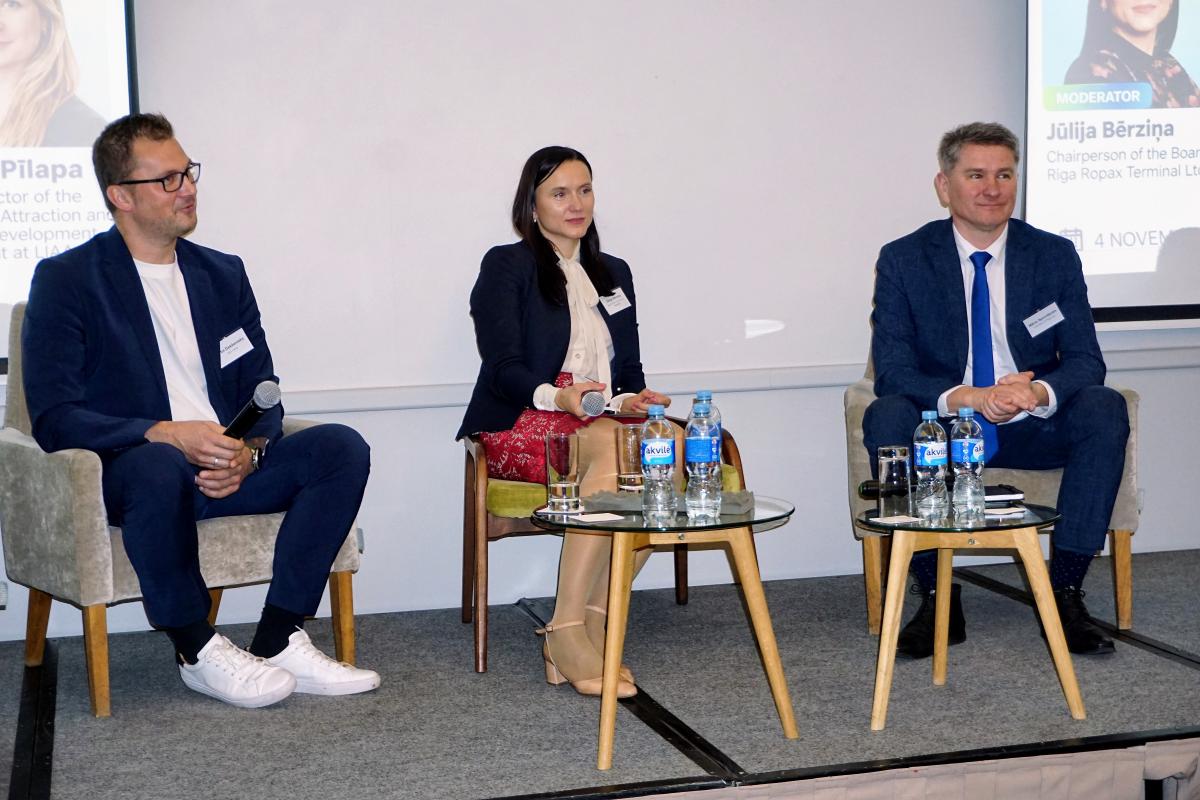
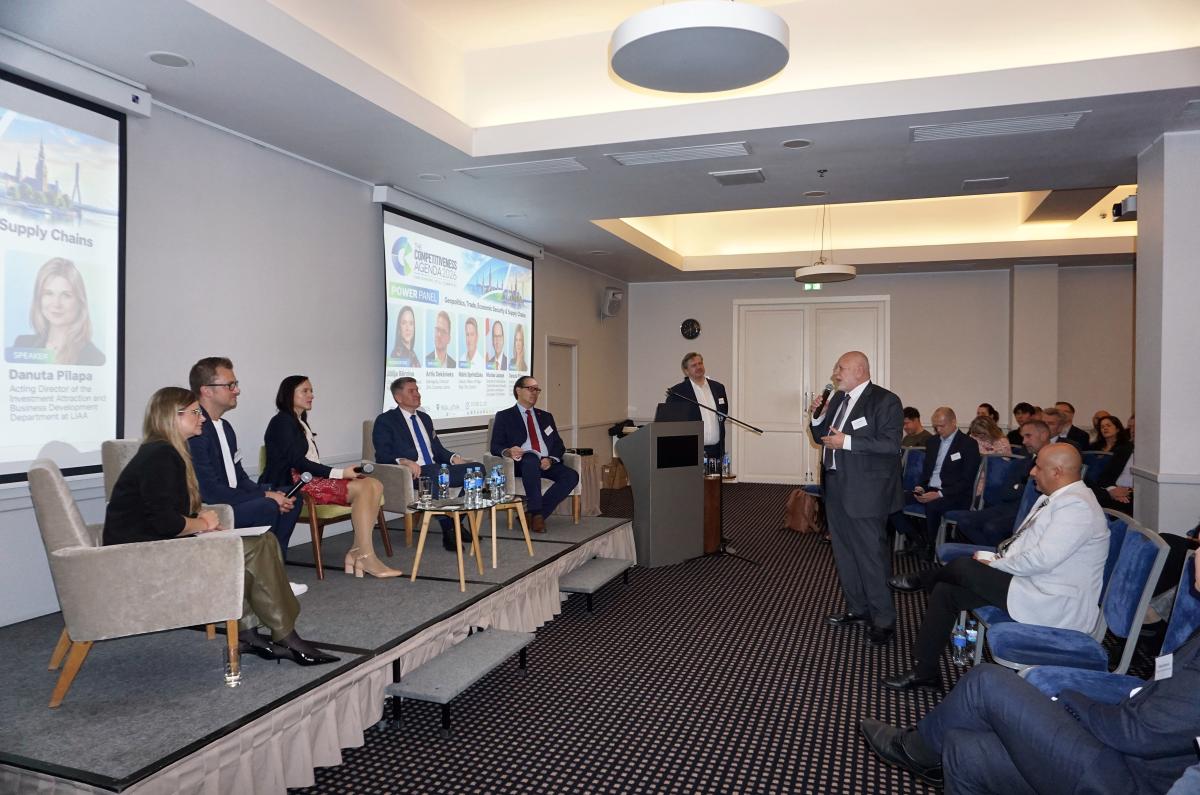
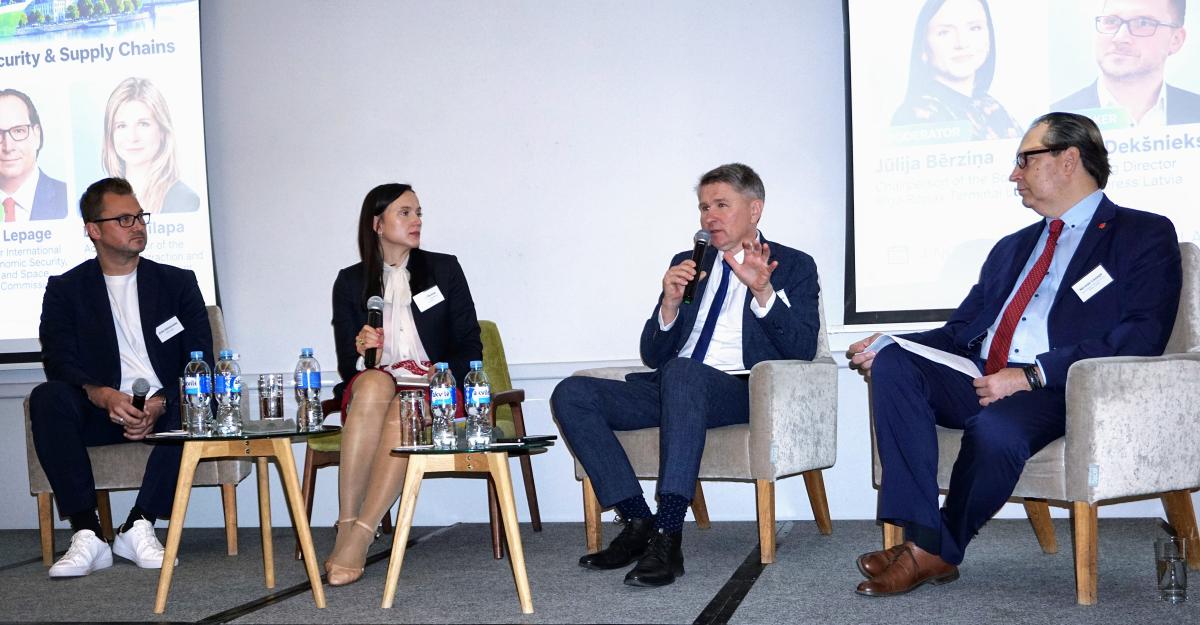
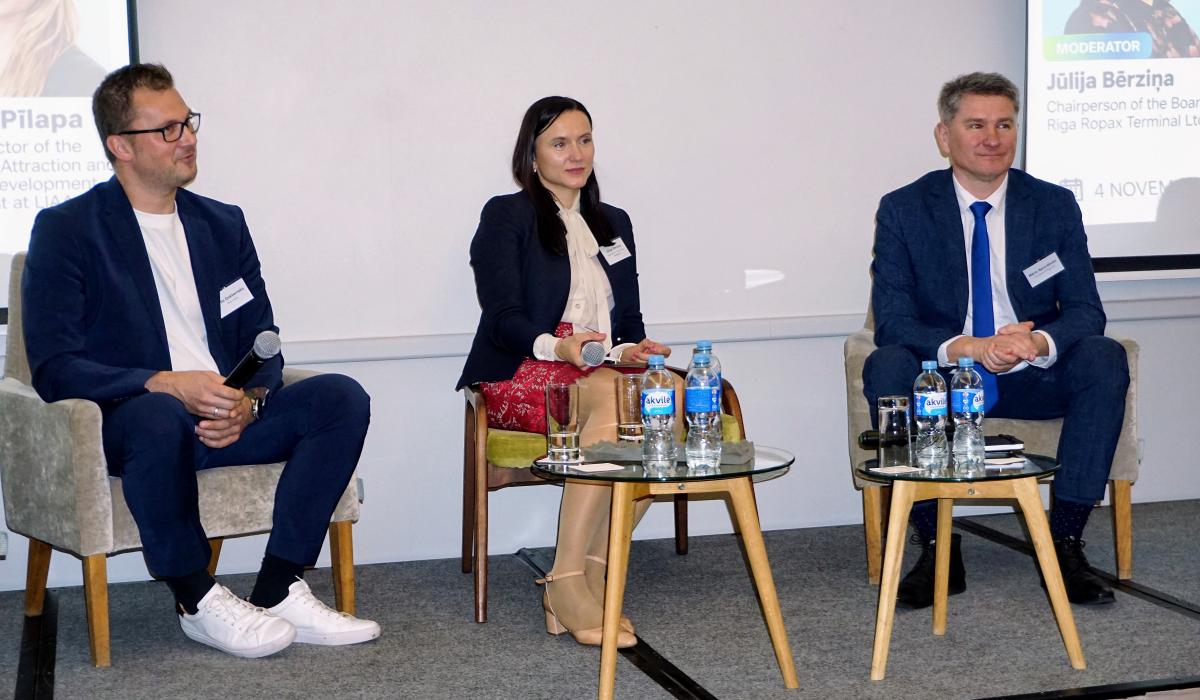
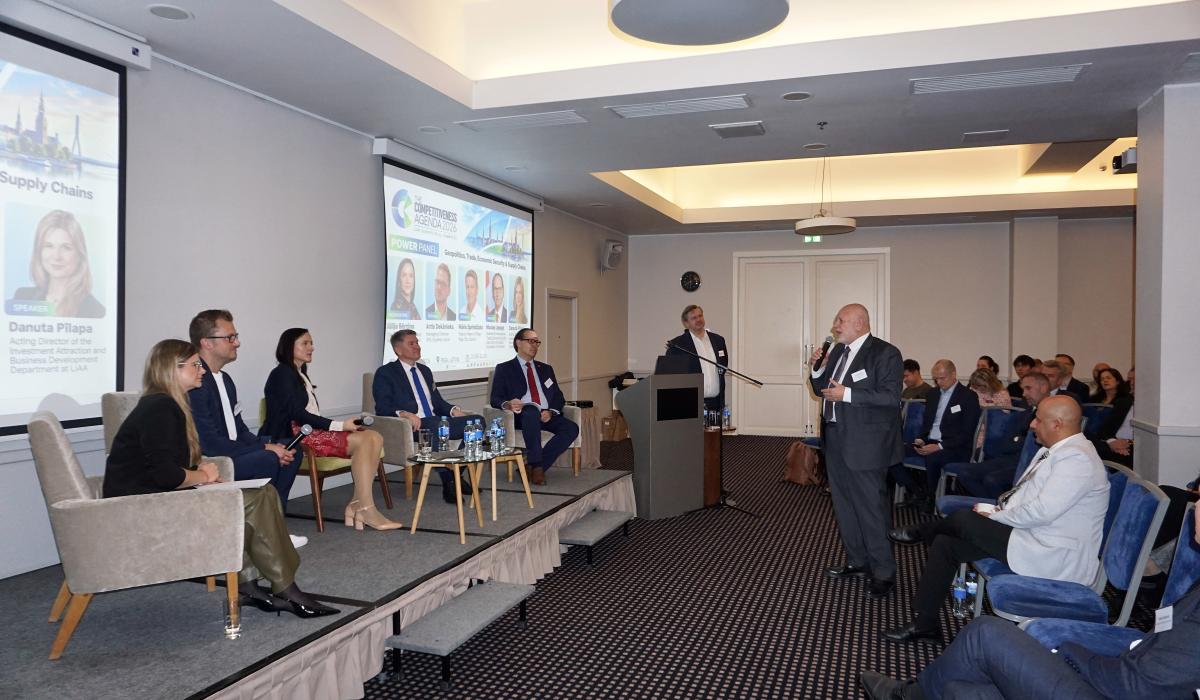
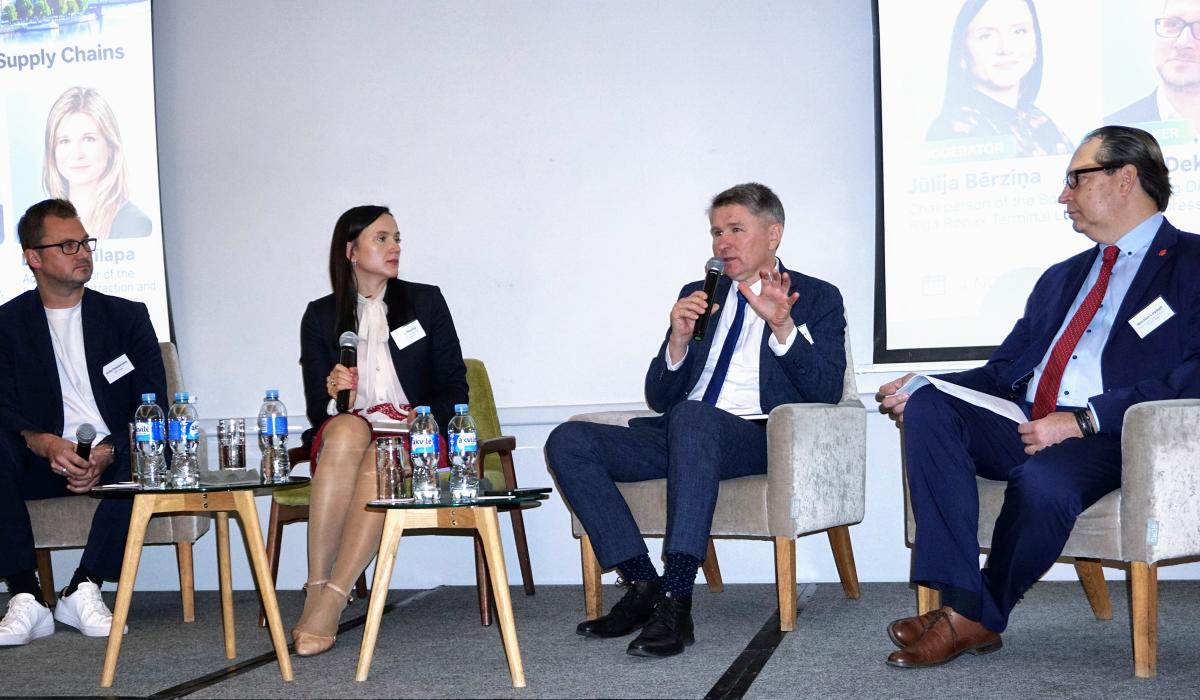
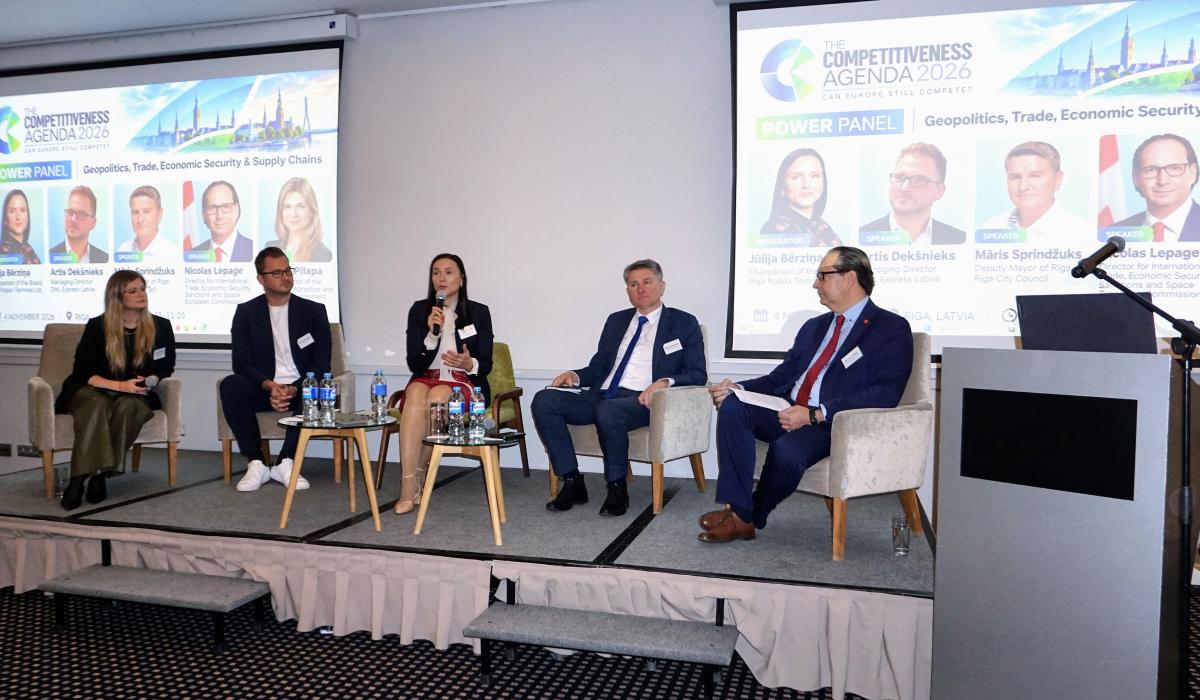
The panel discussion at The Competitiveness Agenda 2026 conference on geopolitics, trade, economic security, and supply chains was moderated by Jūlija Bērziņa, Chairwoman of the Board at SIA Riga RoPax Terminal. Panelists included Danuta Pīlapa, Deputy Director for Service Development at the Investment Attraction and Business Development Department of the Investment and Development Agency of Latvia (LIAA); Nicolas Lepage, Senior Regional Trade Commissioner for the Baltic States at the Embassy of Canada; Māris Sprindžuks, Deputy Mayor of Riga; and Artis Dekšenieks, Country Manager of DHL Express Latvia.
Three key takeaways
1. People are the main resource. Technology, capital and infrastructure can be bought or built, but competitiveness is created by people: their knowledge, their skills and their readiness to act.
““Investors value Latvia’s strong work ethic, high standards, responsibility and adaptability. As a small country, we build on these strengths by offering speed, flexibility and direct access to decision-makers,” said Danuta Pīlapa.
2. Focus and clear priorities at national level. Latvia cannot do everything at once. To develop its competitiveness, the country must choose the areas in which it will be strong and concentrate its resources and decisions there.
“Investors and partners look for predictability. Clear national priorities help a small country stand out and attract investment, and they give society a direction it can understand,” said Nicolas Lepage.
3. A small country can be strong only if it is connected. Latvia's growth depends on how well it is connected to the region and the world. Infrastructure is especially important, as today it is a matter not only of the economy but also of security.
“As a small country, we must be connected by sea, road, rail and air. Ports, railways, roads and the airport must be seen as a single system. They are our gateway to the world and the foundation of our resilience in times of crisis,” said Jūlija Bērziņa.
The panellists also discussed how Baltic companies can make use of new trade opportunities, which infrastructure projects matter most for the connectivity of Riga and the region, and what businesses and the state can do now to reduce supply chain vulnerabilities.
About the panel
The POWER panel was part of The Competitiveness Agenda 2026 conference, which brought together business leaders and representatives of central and local government to discuss the competitiveness of Europe and Latvia. The panel took place on 4 November 2026 at the Radisson Blu Daugava hotel in Riga.
Photo: by Skārleta Lyons – LatWest